Wetlands:

The kidneys of our ecosystems

Wetlands are areas where soil is inundated with water, near or above the soil’s surface, for at least part of the year. Wetland soils have distinct properties and wildlife due to their high levels of saturation. Many wetlands, like grassy meadows, are defined by a high water table creating saturated soil conditions, and may not have standing water visible.

Wetlands are essential to the health of Lake Superior’s watershed. Like kidneys filter your blood, wetlands sift pollutants from water by trapping sediment, excess nutrients, and toxic chemicals. They keep our lakes, streams, and groundwater clean, keep our coastline resilient to erosion and flooding impacts, prevent climate change, and house critical species. Protecting wetlands is crucial to our mission at Citizens for a Safe & Clean Lake Superior.
Wetmore Bog is a recreationally open, protected bog environment on the edge of Wetmore Pond in Marquette Township.
HarlowCreekmouth
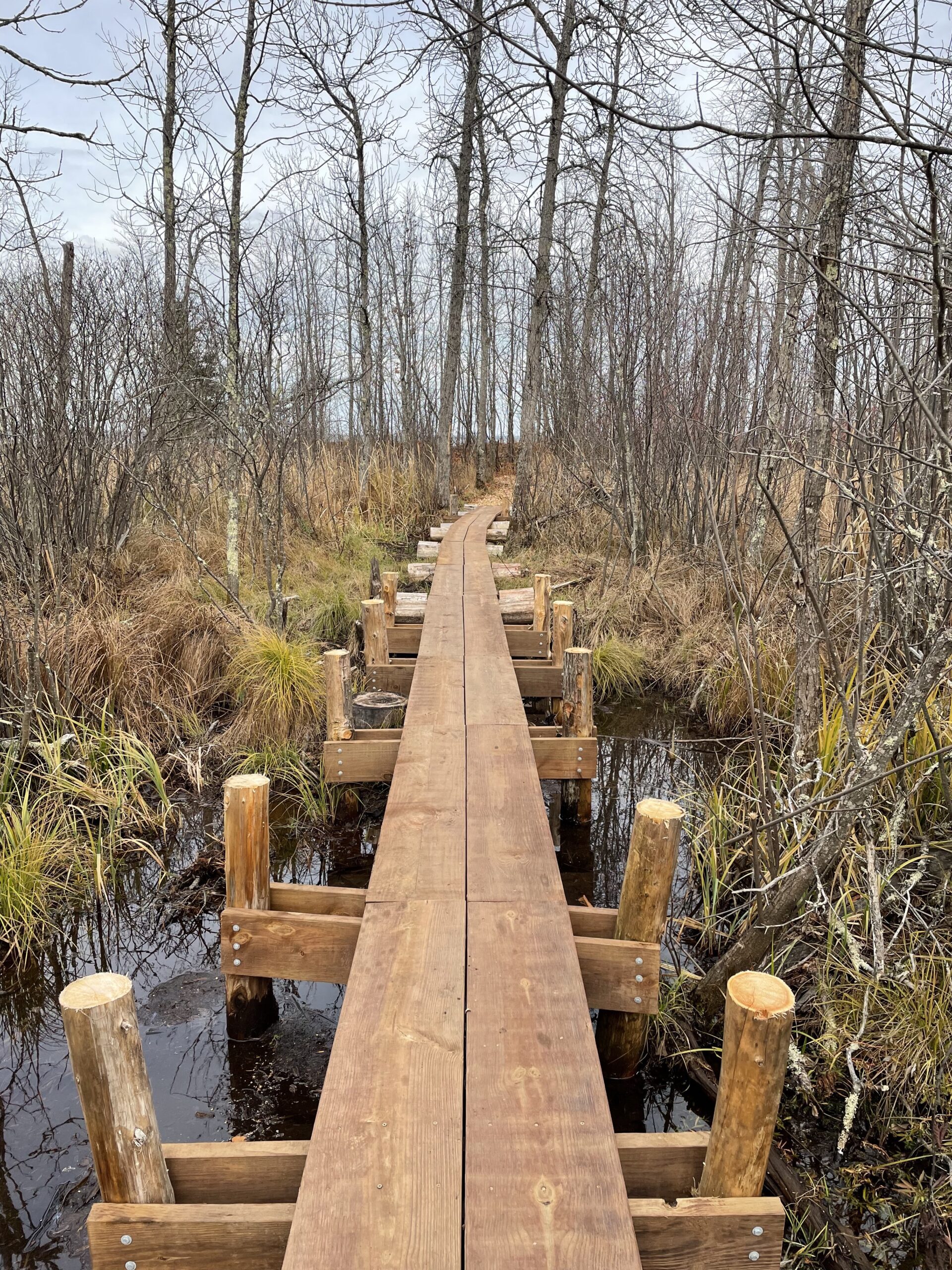
Boardwalk through recreationally open, protected wetlands at Eagle's Nest Community Forest in Marquette Township

We are losing wetlands at an alarming rate

CORRECTED Guide to Wetland Protection (11.25 x 8.75 in)

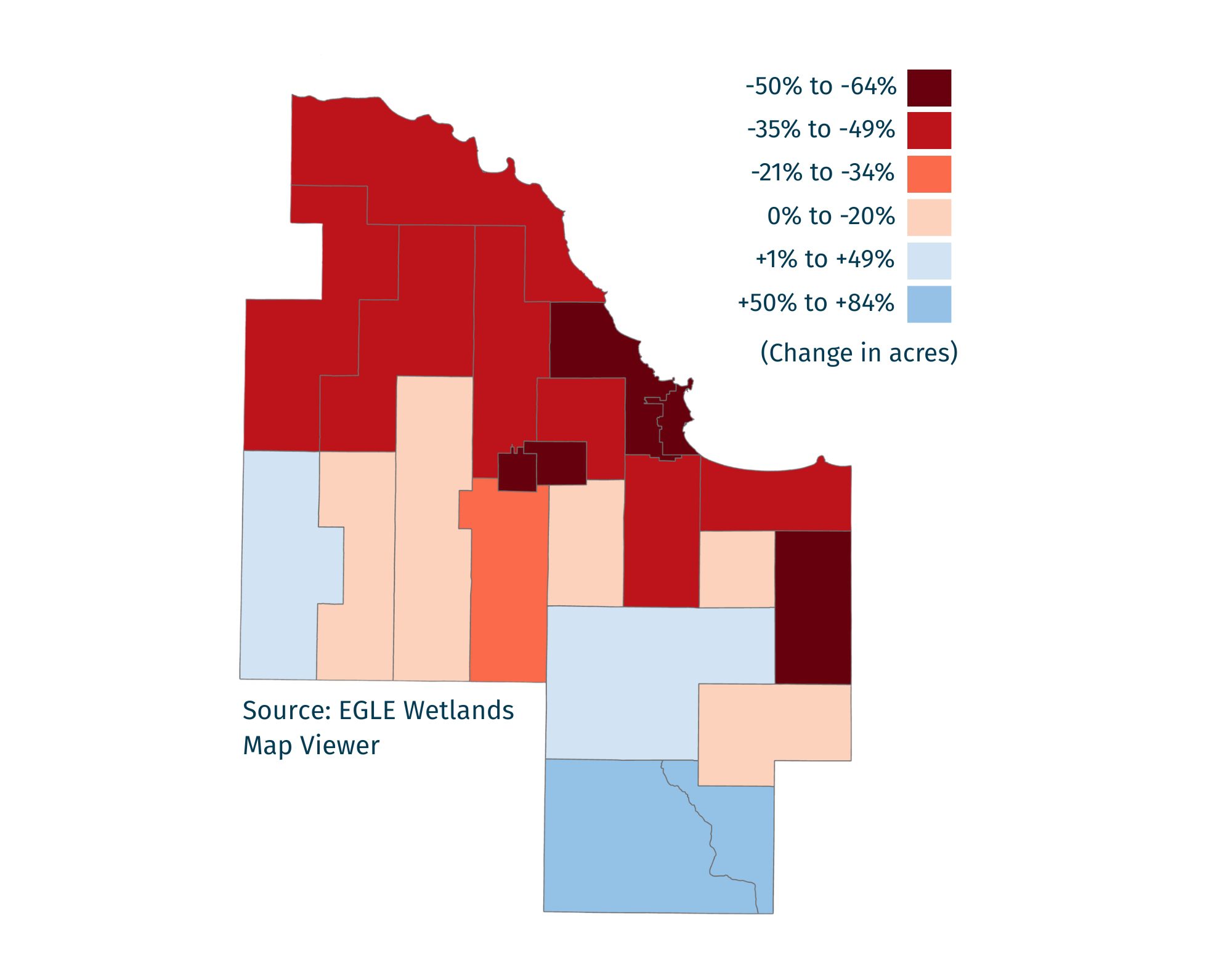
Change in wetland acreage in Marquette County

Wetlands once covered 32% of Marquette County. To date, over 45,000 acres of wetlands have been lost. 

Wetlands in Marquette County face threats from efforts to drain and/or fill them for residential and commercial development, as well as industrial and agricultural activity. Local wetlands have especially been subject to historical logging and industrial operations. These practices contribute to climate change, which exacerbates threats to wetlands, as rising temperatures and altered precipitation patterns affect the balance of wetland ecosystems. Changes in water levels, increased erosion, and habitat loss are just some of the consequences of losing wetlands.

By filtering out pollution before it enters Lake Superior, wetlands in Marquette County's coastal communities play an even more important role in keeping our water clean. 

Recent federal deregulation has put new responsibility on local governments and landowners to protect our remaining wetlands. 


Wetlands are losing federal protection

In June 2023, the U.S. Supreme Court issued its decision for Sackett v EPA, stating that wetlands are only protected under the Clean Water Act if they have a “continuous surface connection” to a navigable body of water. This court decision severely limits the power of the CWA, stripping federal protection for 50% of the nation’s wetlands. 


When the Clean Water Act (CWA) passed in 1972, its purpose was to regulate pollution and protect wetlands. This meant that the CWA could federally protect all relevant parts of an aquatic ecosystem, such as lakes, streams, rivers, ponds and wetlands. The main goal was to make all of our nation's waters “fishable and swimmable". Unfortunately, the effectiveness of the CWA was cut short with the Court's decision in Sackett v EPA (2023). Learn more about the case and its implications: 
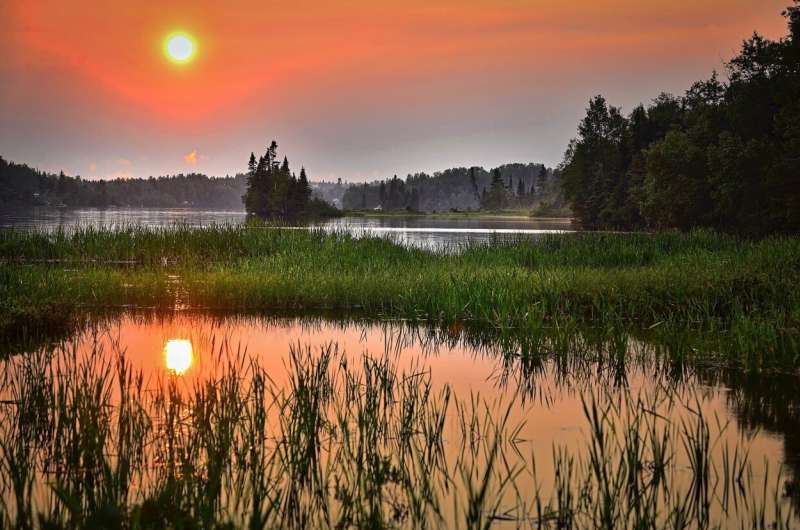
Photo Credit: Pixabay/CC0 Public Domain, acquired from https://phys.org/news/2023-06-nation-wetlands-lost-federal-fate.html

State Level Protections don't go far enough to protect wetlands

Michigan's Department of Environment, Great Lakes, and Energy (EGLE) administers state-level wetland protections under the state's Natural Resources and Environmental Protection Act, Act 451 of 1994, Part 303 Wetlands Protection Statute. Part 303 requires a wetland use permit from EGLE in order to drain, fill, or otherwise alter protected wetlands. This helps to lessen impacts on certain wetlands, but this law only applies to: 

  • Wetlands connected to or within 1,000 feet of a Great Lake
  • Wetlands connected to or within 500 feet of an inland lake or stream
  • Isolated wetlands but greater than 5 acres in size

This leaves many small and isolated wetlands without any protections against development, pollution, and destruction. 

Local Wetland Protections are necessary

Federal deregulation of wetlands and gaps in Michigan's state-level wetland protections means that local action to protect wetlands matters now more than ever. In Michigan, local governments have broad authority to regulate development and land-use around wetlands. Local governments are also permitted to pass a local wetland protection ordinance that provides a greater level of protection than the state does.

This gives communities the power to:

  • Have a say in the impacts of wetlands and aquatic ecosystems
  • Fill the gaps left behind by federal and state regulations
  • Protect small and isolated wetlands

CSCLS is working in Powell Township, Marquette Township, and Chocolay Township to identify gaps in local legislation and find opportunities for local governments to better protect their wetlands. Take a closer look at our review of these townships' current protections:

More ways to protect wetlands locally:
  • Conservation easements can protect specific parcels in perpetuity. A conservation easement is a voluntary, legal agreement between a landowner and a land trust or government agency that permanently limits certain land uses in order to protect its conservation values. Conservation easements allow you to continue to own and use your land and to sell it or pass it on to heirs. There are multiple local land conservancies in the Lake Superior watershed capable of protecting your land; please check them out!
  • Restoration efforts aim to bring degraded wetlands back to their former glory. Restoration is often a piece of wetland mitigation, an offset program established by state and federal permitting. The restoration process involves restoring water resources and native plants to a former wetland, cleaning up pollution or contaminants, and monitoring the site for several years to determine whether efforts were successful in restoring the wetland's ecological functions.

Why do we care?

Learn more about wetland functions

Wetland I.D. in Marquette County: 

Knowing your wetlands helps keep them safe

Historical wetlands make up 32% of land in Marquette County. Wetlands exist all throughout the county, and most are located on private property; there’s a good chance you have some on your property. Wetlands come in many different shapes, sizes, and styles. Types of wetlands in Marquette County include deciduous swamps, wet meadows, emergent marshes, conifer swamps, and bogs. Here are some defining features of these wetland types (information comes from the Michigan Natural Features Inventory Natural Communities List):
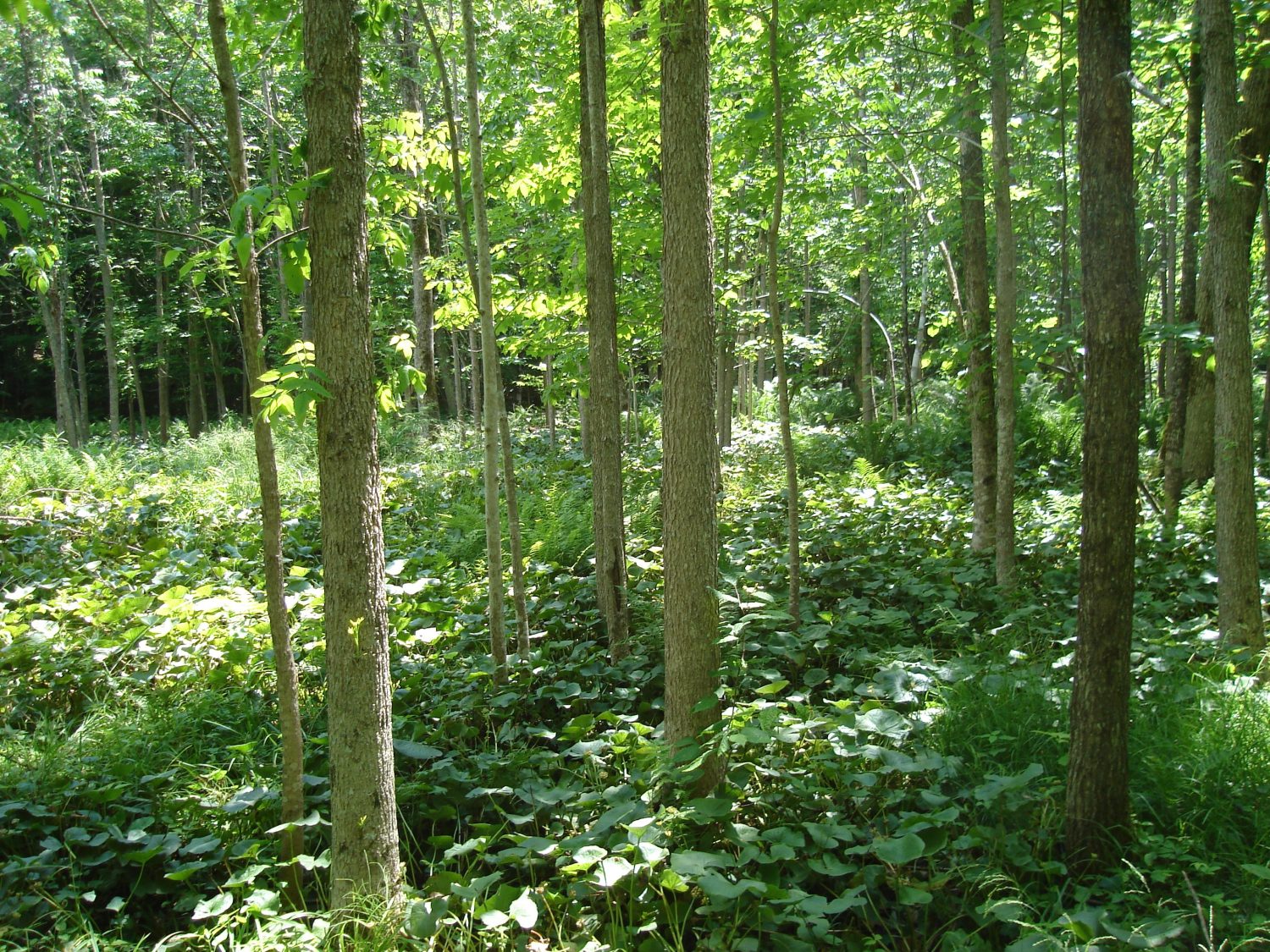
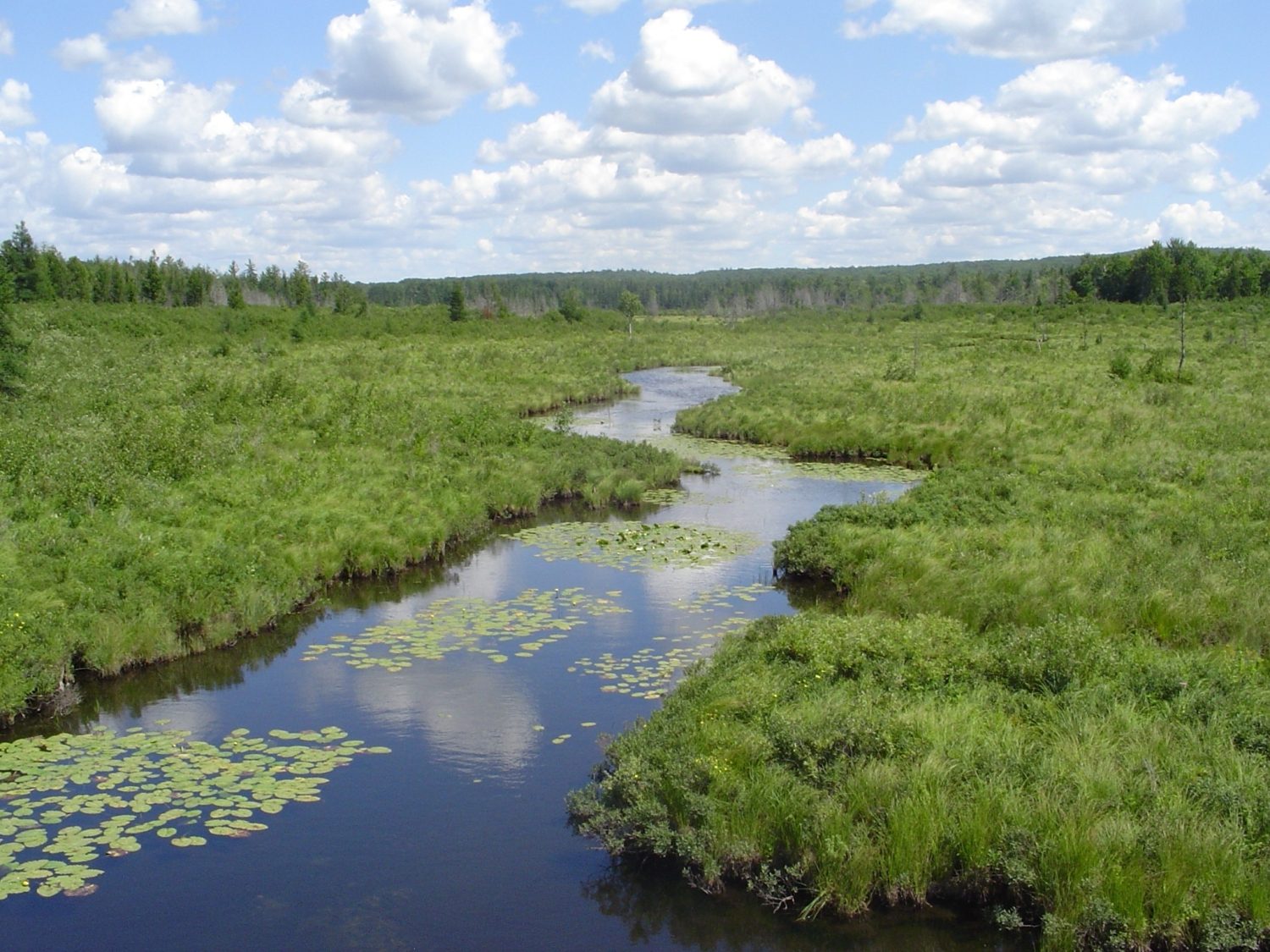
Photo by Joshua G. Cohen
Deciduous Swamp:


  • Seasonally inundated (flooded) areas located primarily in depressions in glacial lakeplains, glacial tills, and outwash plains
  • Deciduous forest, dominated by black ash trees
  • Soil often consists of shallow muck over mineral soils
  • Common plant types include: Grasses and sedges, wildflowers, ferns, shrubs, and hardwood trees
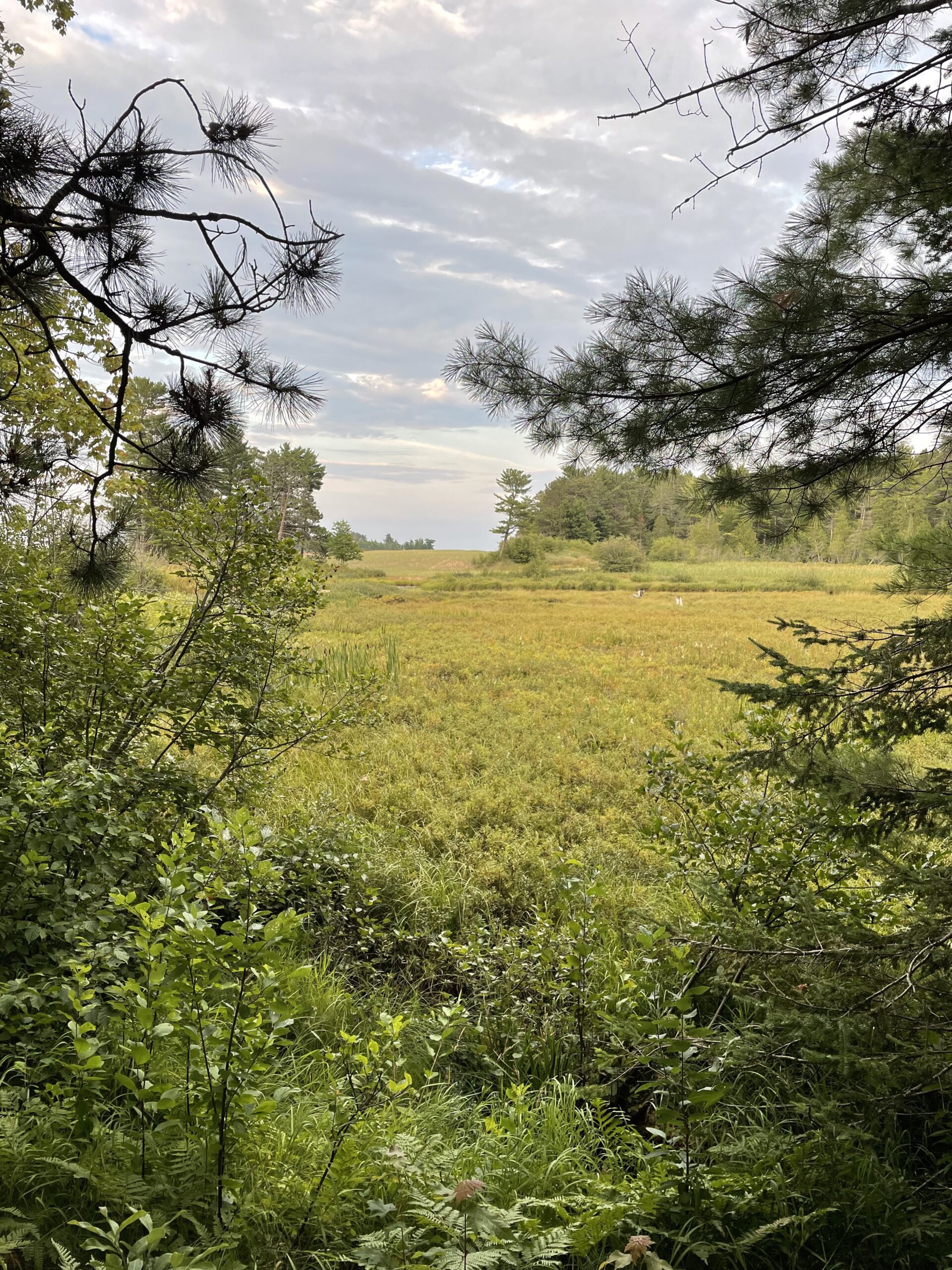
Wet Meadow:


  • Open, groundwater-influenced areas usually bordering streams, but also along ponds, lakes, and above beaver dams
  • Typically has 100% vegetative cover
  • Forms most commonly in acidic, organic soils 
  • Common plants include: sedges and grasses
Photo by Michael A. Kost
Photo by Joshua G. Cohen
Emergent Marsh


  • Shallow standing water along the shores of lakes and streams
  • Common plants include: water plantains, sedges, spike-rushes, pond lilies, pickerel weed, arrowheads, bulrushes, and cattails
  • Forms in both mineral and organic soils
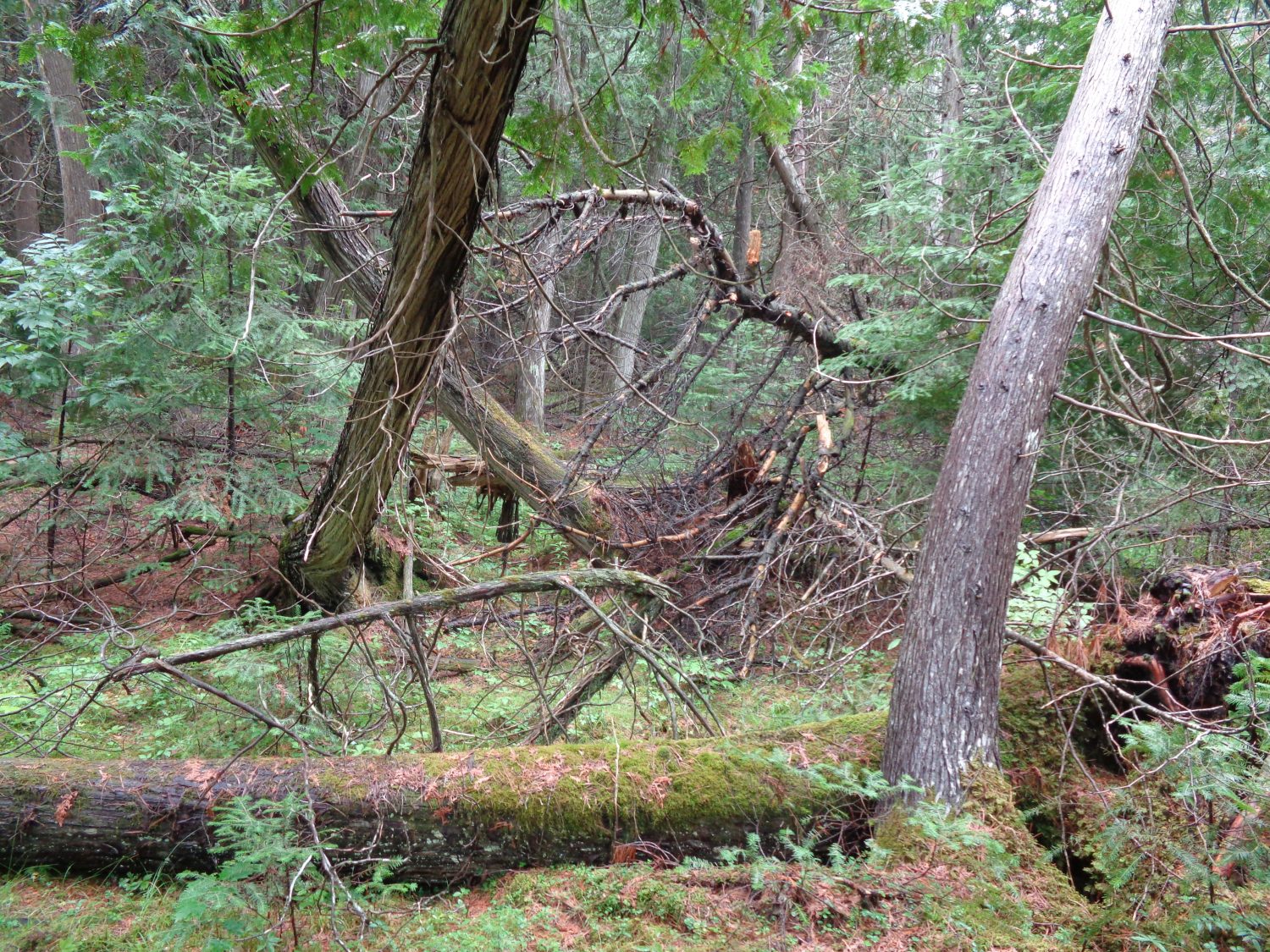
Rich Conifer Swamp:


  • Standing water is typically visible
  • Groundwater-influenced, mineral-heavy, forested wetland, occurring in outwash channels and plains, glacial lakeplains, and depressions
  • Dominated by northern white cedar and also referred to as cedar swamps
  • Organic soils, can range from alkaline to neutral, to acidic near the soil surface
Photo by Joshua G. Cohen
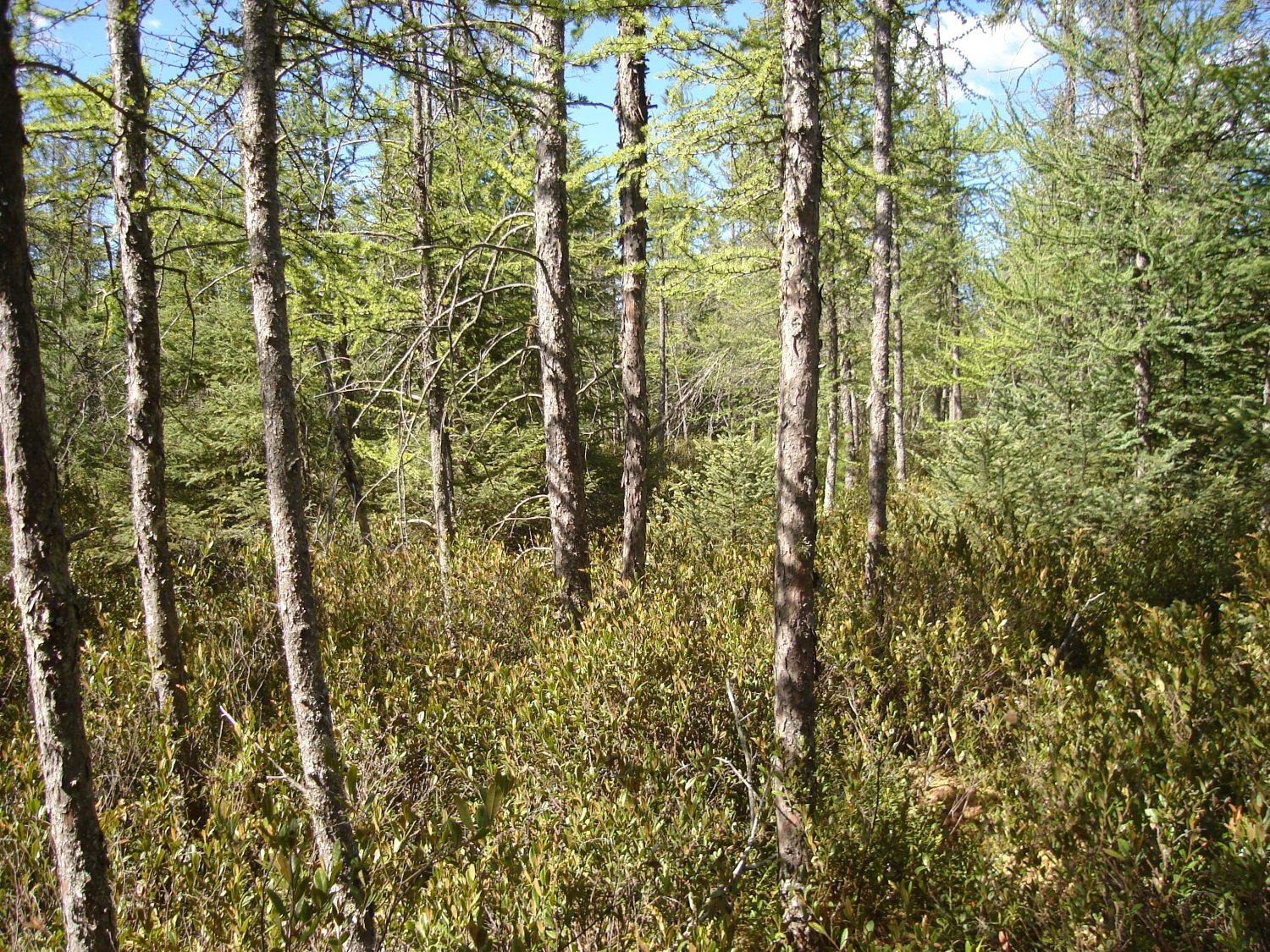
Poor Conifer Swamp:


  • Precipitation-influenced forested wetland
  • Occur in glacial depressions, and are often found along the edges of lakes and meandering streams
  • Dominated by coniferous trees (mainly black spruce), sphagnum mosses, and small shrubs
  • Soils are composed mainly of peat (partially decomposed organic matter) due to constant inundation causing anaerobic conditions
Northern Shrub Thicket:


  • Tall shrub-dominated wetland often occurring on the edges of lakes, beaver floodings, and streams
  • Soils are saturated, nutrient rich, and often medium acidic, but can range from alkaline to acidic
  • Vegetation is heavily dominated by tag alder, but also includes other tree species, grasses, ferns, and wildflowers
  • Common wildlife include beavers, birds, and deer
Photo by Joshua G. Cohen
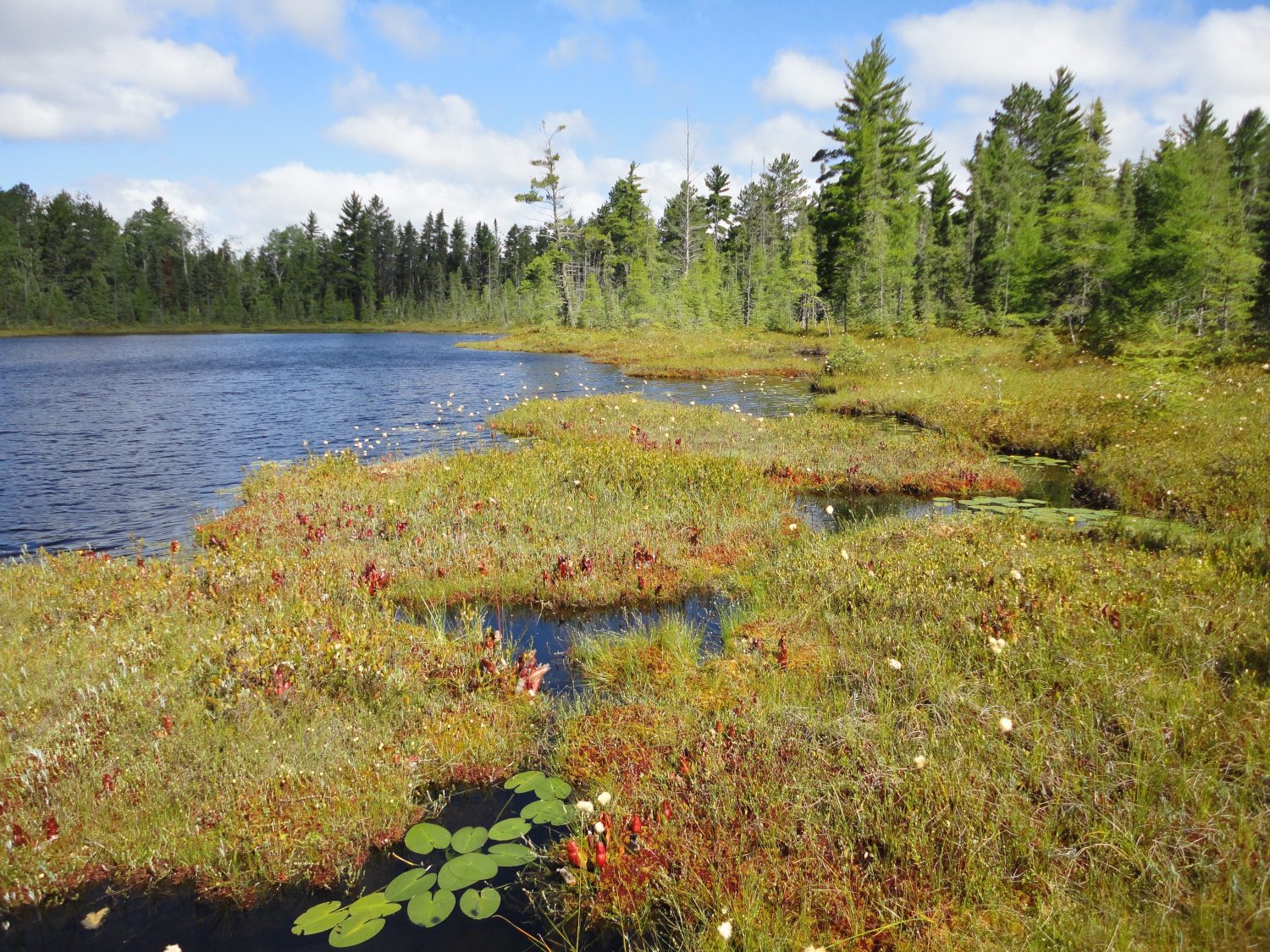
Bog


  • Nutrient-poor peatland occurring in glacial depressions, and can either fill the entire basin or exist as a floating mat on the edge of a lake
  • Vegetation is dominated by sphagnum mosses and small shrubs, with stunted coniferous trees
  • Soil is very acidic and anaerobic due to its saturated and stagnant nature

References

Burling, J. (2022, June 14). What is the Clean Water Act?. Pacific Legal Foundation. https://pacificlegal.org/what-is-the-clean-water-act/?gad_source=1&gclid=Cj0KCQiAmNeqBhD4ARIsADsYfTdFNeCOI8vO-HgJ7KQWl2ZyS24brRSVpHtoLCgZjwvkSuwXjB_p5IQaAhDvEALw_wcB  

Supreme Court of the United States. (2023, May 25). https://www.supremecourt.gov/opinions/22pdf/21-454_4g15.pdf  

What is a wetland? | US EPA. United States Environmental Protection Agency . (n.d.). https://www.epa.gov/wetlands/what-wetland