September 21, 2026
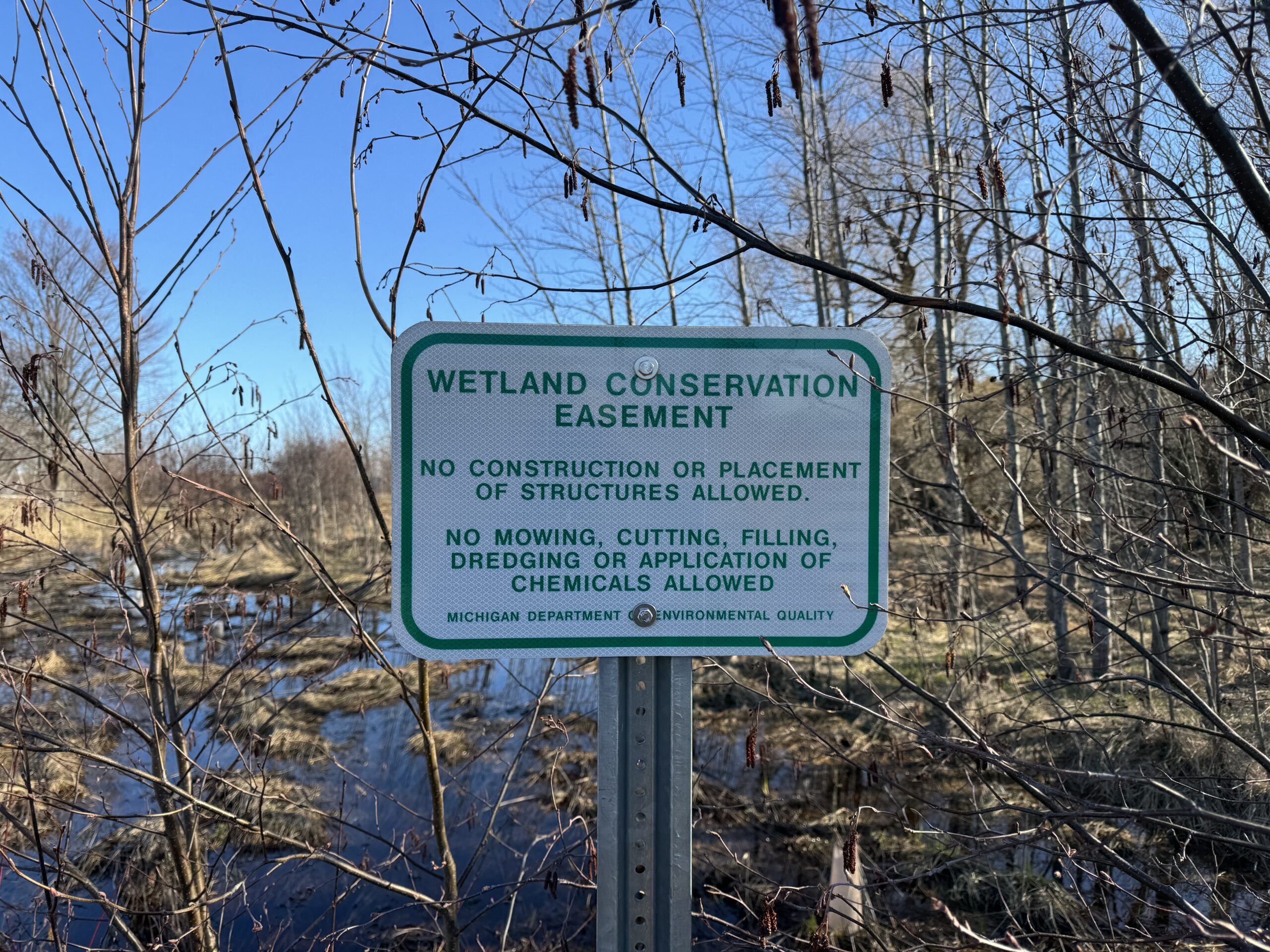
As Marquette County and the Upper Peninsula experience increasing population and development, it's important to consider options for preserving the land and water that we all hold so dear. Many Yoopers worry about the prospects of things like data centers, hotels, and high-rise condos popping up along the lakeshore, in forests, and on our precious wetlands. Even for landowners that intend to protect their slice of heaven for as long as they can, there may still be the fear of what might happen to their property after they are gone.
Fortunately, landowners have a powerful tool at their disposal to permanently protect land and water: conservation easements.
A conservation easement is a voluntary, legal agreement between a landowner and a land conservancy or government agency that sets permanent land-use restrictions on a property in order to protect it for conservation. A conservation easement usually prohibits most development.
There are two parties involved in conservation easements: the landowner and the land conservancy. The landowner retains all their rights to own and sell the property, or pass it on to heirs. The land conservancy is the organization that becomes responsible for stewardship of the property, including documenting its natural conditions, monitoring for invasive species or environmental threats, and carrying out best management practices to ensure long-term conservation.
The conservation easement is essentially the permanent contract between the landowner and the land conservancy that says the property will be protected for conservation. The easement is permanent because it is tied to the deed of the property—all future owners of the property must abide by the terms of the conservation easement, which often prevents development from taking place.
Some landowners might be daunted by the prospect of entering into a permanent contract that limits what they can and cannot do with their own property. It's important to know that conservation easements are intended to balance the needs of landowners with the goal of environmental protection. So, a landowner may choose to allow certain land-uses that are important to them and compatible with conservation, including hunting and fishing, agriculture, recreational trails, and timber harvesting. Conservation easements do not necessarily prohibit all building projects, either. If a landowner might seek a future project on their property, such as a living room addition, a new garage, or a work shed, they me be able to create an "envelope" around their home or potential project area that prevents interference with the conservation easement on the rest of the property. There are also potential tax benefits for landowners; conservation easements lower the overall development potential of property, often lowering property taxes in turn.
Many of the beautiful natural areas that are familiar to us in the Upper Peninsula are protected because of conservation easements. This includes:
Do you own property that you want to see preserved for the long-term? Do you own a slice of wilderness that you'd like others to be able to hike, camp, and enjoy? Or do you own a deer camp that you don't spend much time at outside of hunting season? If you can answer "yes" to any of these questions, a conservation easement may be a good fit for you.
Land conservancies often look for properties that are environmentally significant—perhaps a lakefront, old growth forest, rare or coastal wetlands, or properties with riparian areas (rivers or streams). But, conservation easements can be big or small and sometimes cover just farm fields, a quiet forest, or a peaceful meadow. The most important thing to remember is that conservation easements are permanent, in order to ensure lasting protection no matter who owns the land. But, even if you have plans to build on your land, they are ment to be tailored to your needs as a landowner. We encourage you to reach out to a land conservancy that is local to you to see if your property is a good fit for a conservation easement.
The Upper Peninsula is home to several renowned land conservancies:
 Policy Brief: Marquette County Communities Need Wetland Protections
 House Bill 5536: The Greatest Threat to Michigan’s Wetlands in a Generation
 Michigan Strategic Fund Approves Copperwood Funding


