June 2, 2026
The most important feature of a wetland is the presence of water. Wetlands are areas where water is present at or near the soil surface for enough time during the growing season to influence the soil and plant communities.
Some indicators of wetland hydrology include:
Keep in mind that wetlands do not need to contain water year-round. Many Michigan wetlands are seasonally flooded and may appear dry during parts of the summer (vernal pools).
Wetland soils develop unique characteristics because they remain saturated for extended periods. These "hydric soils" often appear gray, bluish-gray, or mottled with rusty orange spots due to prolonged wet conditions.
Landowners can look for:
A simple way to inspect soil is to dig a small hole approximately 12 to 18 inches deep and observe the color and texture of the soil profile.
Certain plant species are adapted to living in saturated conditions and can serve as strong indicators of wetlands. If an area is dominated by plants that prefer wet soils, it may be a wetland.
Common wetland plants found throughout Michigan include:
While the presence of a few wetland plants alone does not guarantee an area is a wetland, a community dominated by these species may indicate wetland conditions.
Why Identification Matters
Wetlands provide numerous ecological and economic benefits, including flood protection, groundwater recharge, wildlife habitat, and improved water quality. In Michigan, some activities that impact wetlands may require permits depending on the size, location, and nature of the proposed project.
Understanding whether wetlands are present on your property can help you make informed land management decisions and avoid potential regulatory complications.
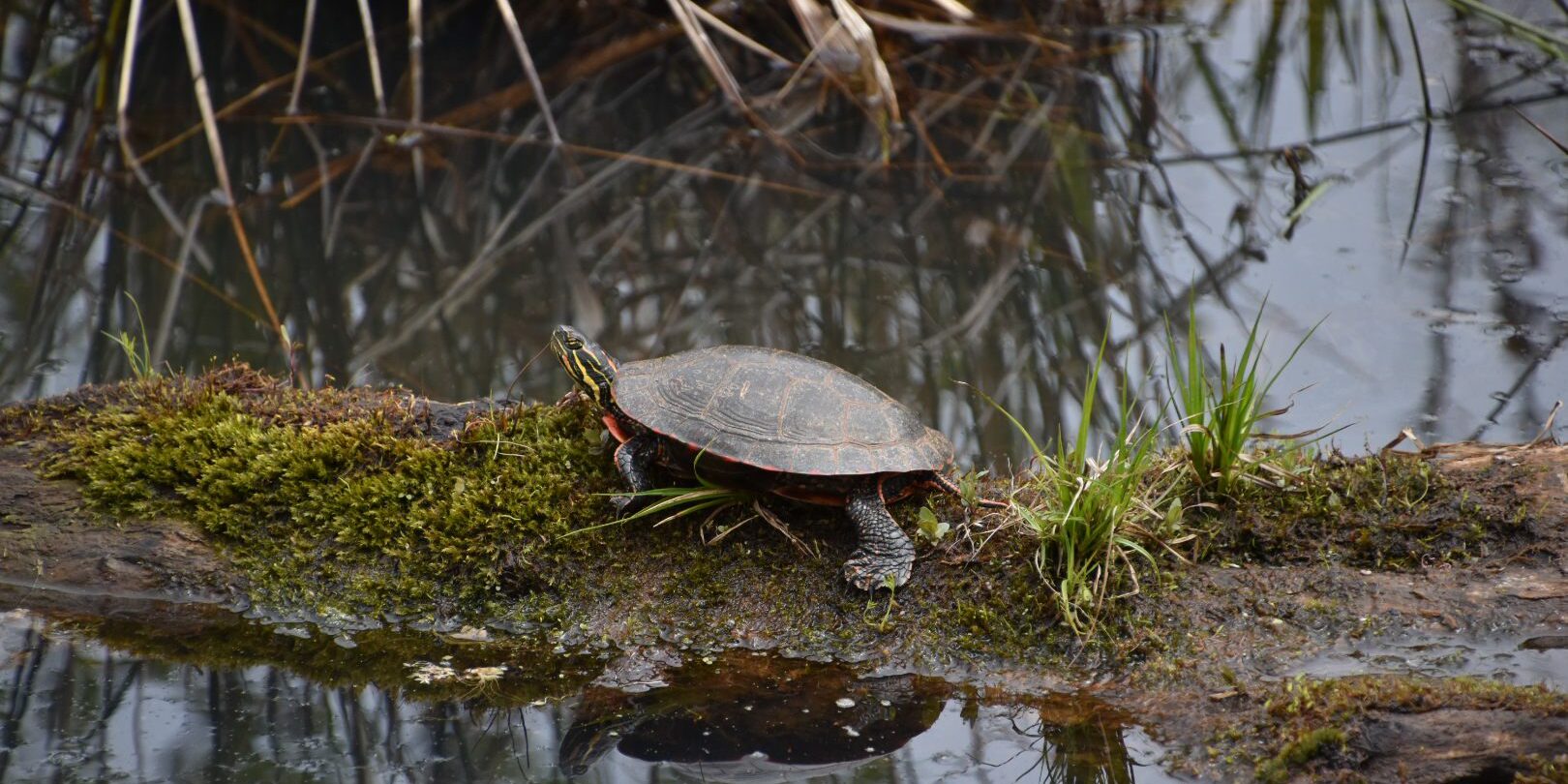
When to Seek Professional Assistance
Although these field indicators can help identify potential wetlands, determining official wetland boundaries often requires a professional assessment. Wetland scientists evaluate hydrology, soils, and vegetation using standardized methods established by federal and state agencies.
If you suspect wetlands may be present on your property and are considering construction, excavation, or other land alterations, consulting with a qualified wetland professional or contacting the appropriate regulatory agency is recommended.
Protecting wetlands begins with recognizing them. By learning to identify the signs of wetland hydrology, soils, and vegetation, landowners can better understand and steward these important natural resources.
 Mapping Wetland Loss in Michigan’s Upper Peninsula
 Conservation Easements are Powerful Tools for Protecting Land & Water
 Policy Brief: Marquette County Communities Need Wetland Protections


