June 30, 2026
Wetlands provide essential ecosystem services, including water filtration, flood attenuation, groundwater recharge, carbon storage, and wildlife habitat. However, many of the activities that degrade wetlands occur not within the wetland itself, but on the surrounding land. For this reason, scientists and planners increasingly recognize the importance of wetland buffers - areas of protected or managed land surrounding wetlands that help maintain wetland health and function. As development pressure continues to grow, wetland buffers represent an important tool for protecting wetlands and the ecological services they provide.
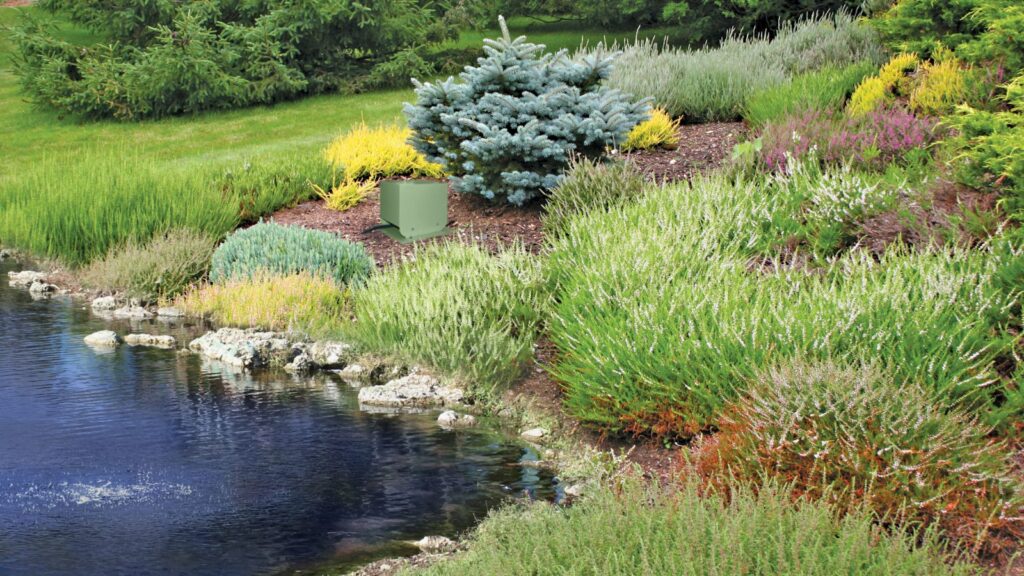
A wetland buffer is an area of vegetation or undeveloped land surrounding a wetland that separates the wetland from adjacent land uses. Buffers act as a transition zone between sensitive wetland ecosystems and human activities such as agriculture, residential development, road construction, and industrial land use.
Rather than protecting only the wetland itself, buffers protect the ecological processes that support wetland function. They help reduce the impacts of sediment, nutrients, pollutants, invasive species, noise, and habitat fragmentation before these stressors reach the wetland.
Improved Water Quality
Buffers filter pollutants before they enter wetlands. Vegetation slows surface runoff, allowing sediments, fertilizers, pesticides, and other contaminants to settle or be absorbed by plants and soils.
Flood Mitigation
Buffers help retain stormwater and reduce runoff velocity, decreasing erosion and reducing downstream flood risk.
Wildlife Habitat
Many species rely on both wetlands and adjacent upland areas during different stages of their life cycles. Amphibians, reptiles, birds, and mammals often use buffer zones for nesting, feeding, migration, and shelter.
Reduced Erosion
Plant roots stabilize soils and reduce shoreline and streambank erosion, helping maintain wetland structure and function.
Climate Resilience
Buffers increase ecosystem resilience by allowing wetlands to adapt to changing water levels, storms, and other climate-related disturbances. They can also contribute to carbon storage and habitat connectivity.
Privacy for Landowners
Vegetated buffers can provide a visual and noise barrier for privacy and aesthetic purposes. With less disturbances, landowners can feel more secluded and enjoy their property.
Michigan's primary wetland protection program is administered through Part 303 of the Natural Resources and Environmental Protection Act (NREPA). The state regulates many wetlands based on their size, location, and connection to other waters. Under Part 303, local governments may adopt wetland ordinances that provide additional protections beyond state requirements. These local ordinances may include permitting requirements, site-plan review standards, or other wetland protection measures.
Although Michigan does not currently require a uniform statewide wetland buffer around regulated wetlands, local governments have the authority under the Michigan Zoning Enabling Act (MZEA) to adopt their own wetland buffer protections in zoning ordinances. Buffers can function as a guide for local land use and operate in parallel with Part 303 wetland ordinances. Additionally, local governments may adopt soil erosion and sedimentation control ordinances that are more restrictive than state standards, providing another mechanism for protecting wetlands from adjacent land-use impacts.
Because wetland protection is largely focused on the wetland itself rather than surrounding uplands, buffer implementation in Michigan remains inconsistent and dependent on local planning decisions.
The state of Massachusetts provides a widely cited example of wetland buffer protection in the United States.
Under the state's Wetlands Protection Act, activities occurring within 100 feet of a wetland are subject to review and regulation. This area is known as the "buffer zone." The law recognizes that activities outside a wetland can still significantly affect wetland functions such as flood control, water quality protection, and wildlife habitat.
The Massachusetts model combines state-level standards with local authority. Municipal conservation commissions review projects proposed within buffer zones, while many communities have adopted even more protective local wetland bylaws and ordinances. More than 100 Massachusetts communities have enacted additional local wetland protections beyond state requirements.
This layered approach has helped Massachusetts create a more comprehensive framework for protecting wetlands and the ecological functions that extend beyond wetland boundaries.
Even where wetland buffers are not required through local zoning laws, landowners can voluntarily establish and maintain buffers to improve wetland health.
Recommended actions include:
The wider and more natural a buffer remains, the greater its ecological benefits are likely to be.
Wetland buffers are one of the most effective tools for protecting wetlands from the impacts of surrounding land use. By filtering pollutants, reducing erosion, providing wildlife habitat, and improving climate resilience, buffers help sustain the ecological functions that wetlands provide.
Although Michigan lacks a statewide wetland buffer requirement, local governments and private landowners have opportunities to strengthen wetland protection through voluntary stewardship, local ordinances, and land-use planning. The experience of states such as Massachusetts demonstrates how buffer protections can complement wetland regulations and provide long-term benefits for both people and ecosystems.
 Mapping Wetland Loss in Michigan’s Upper Peninsula
 Conservation Easements are Powerful Tools for Protecting Land & Water
 Policy Brief: Marquette County Communities Need Wetland Protections


